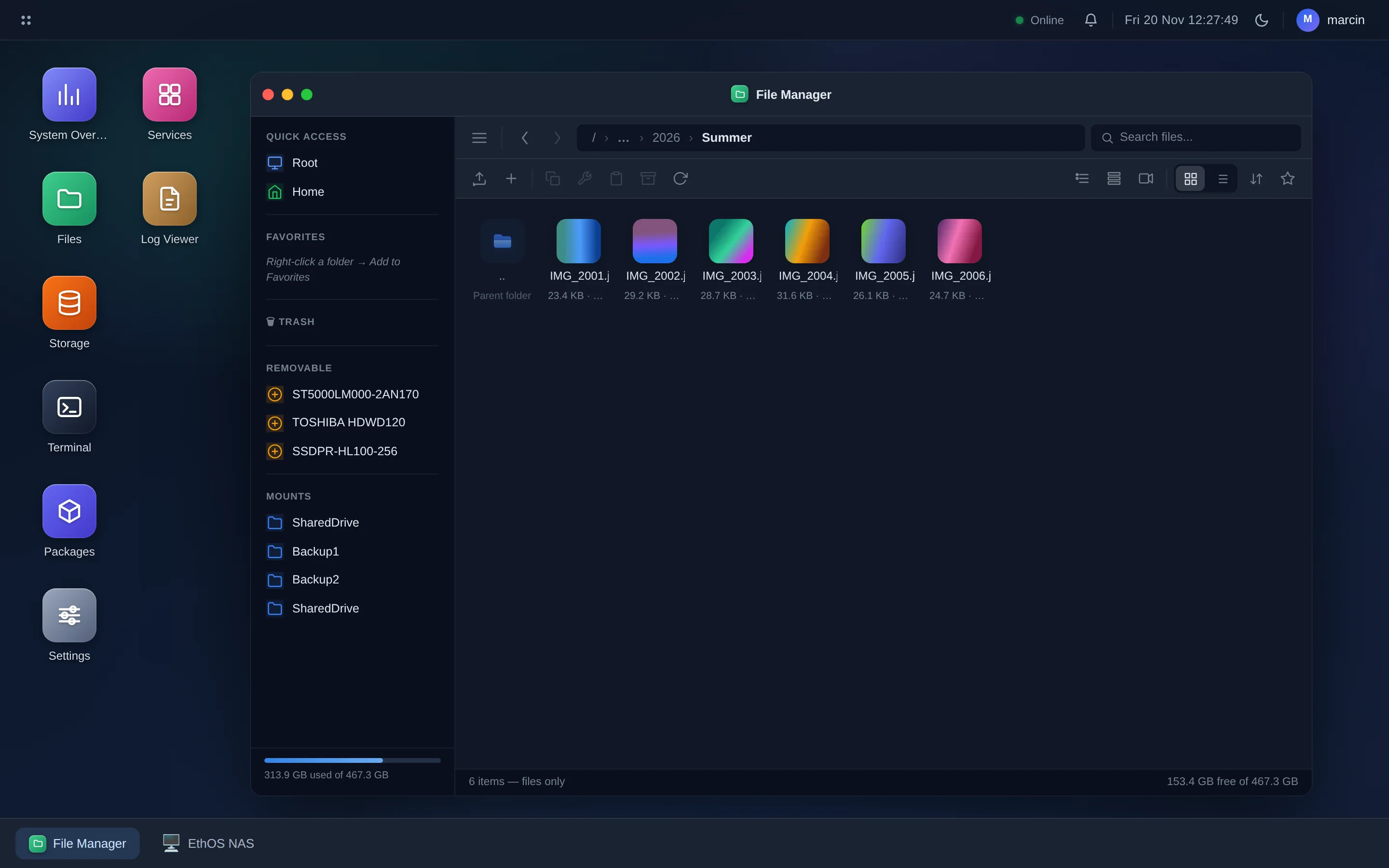
Files
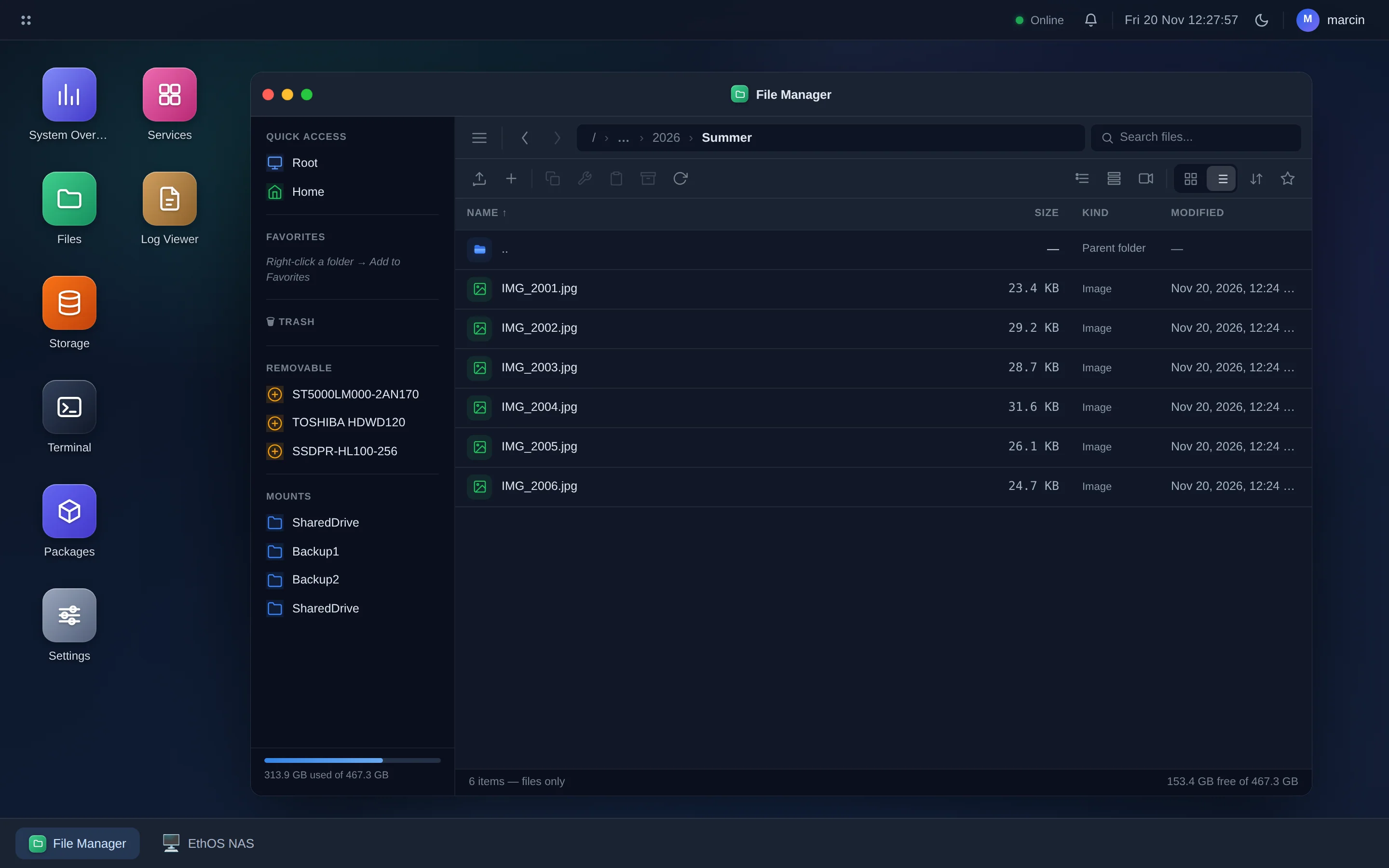
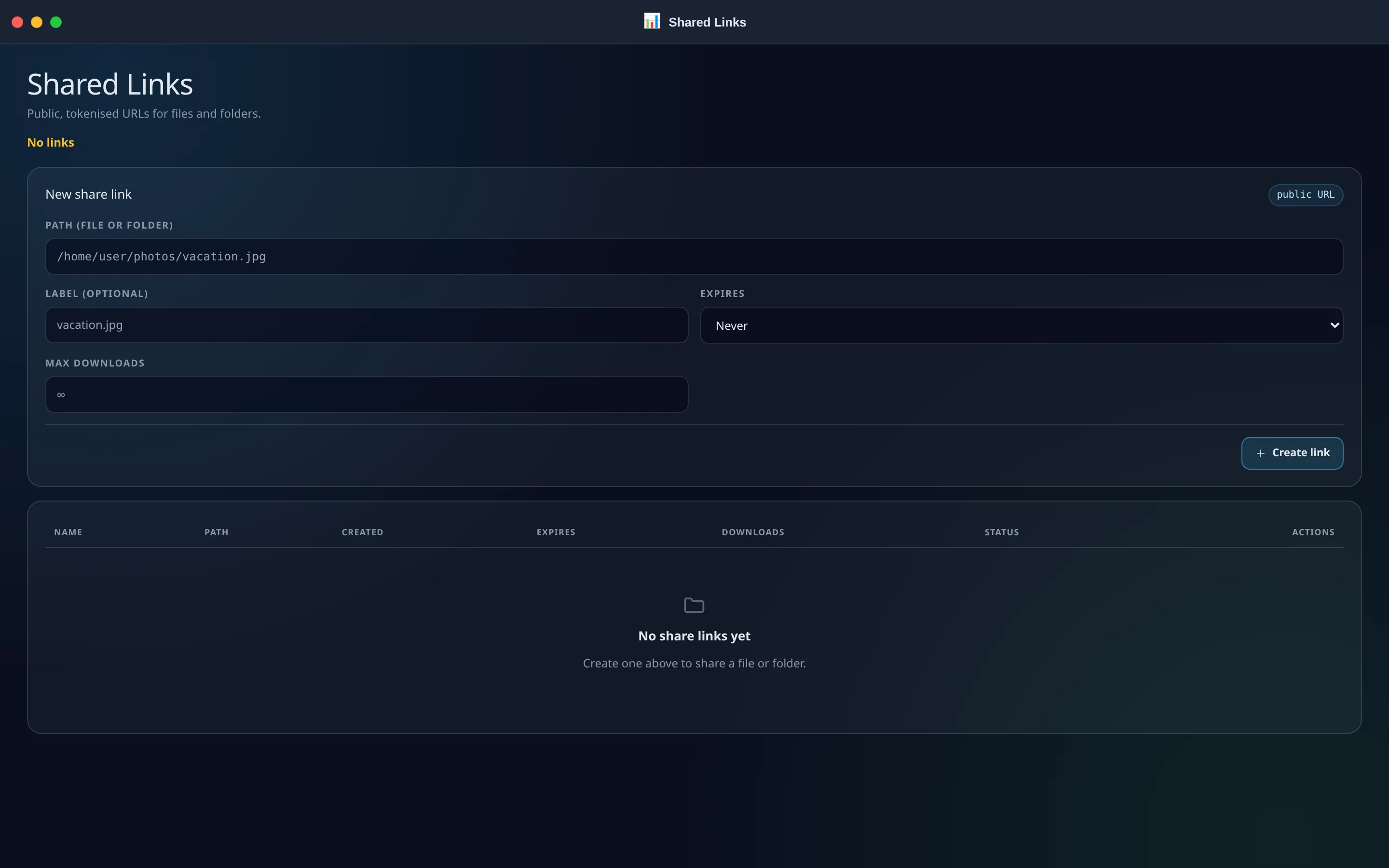
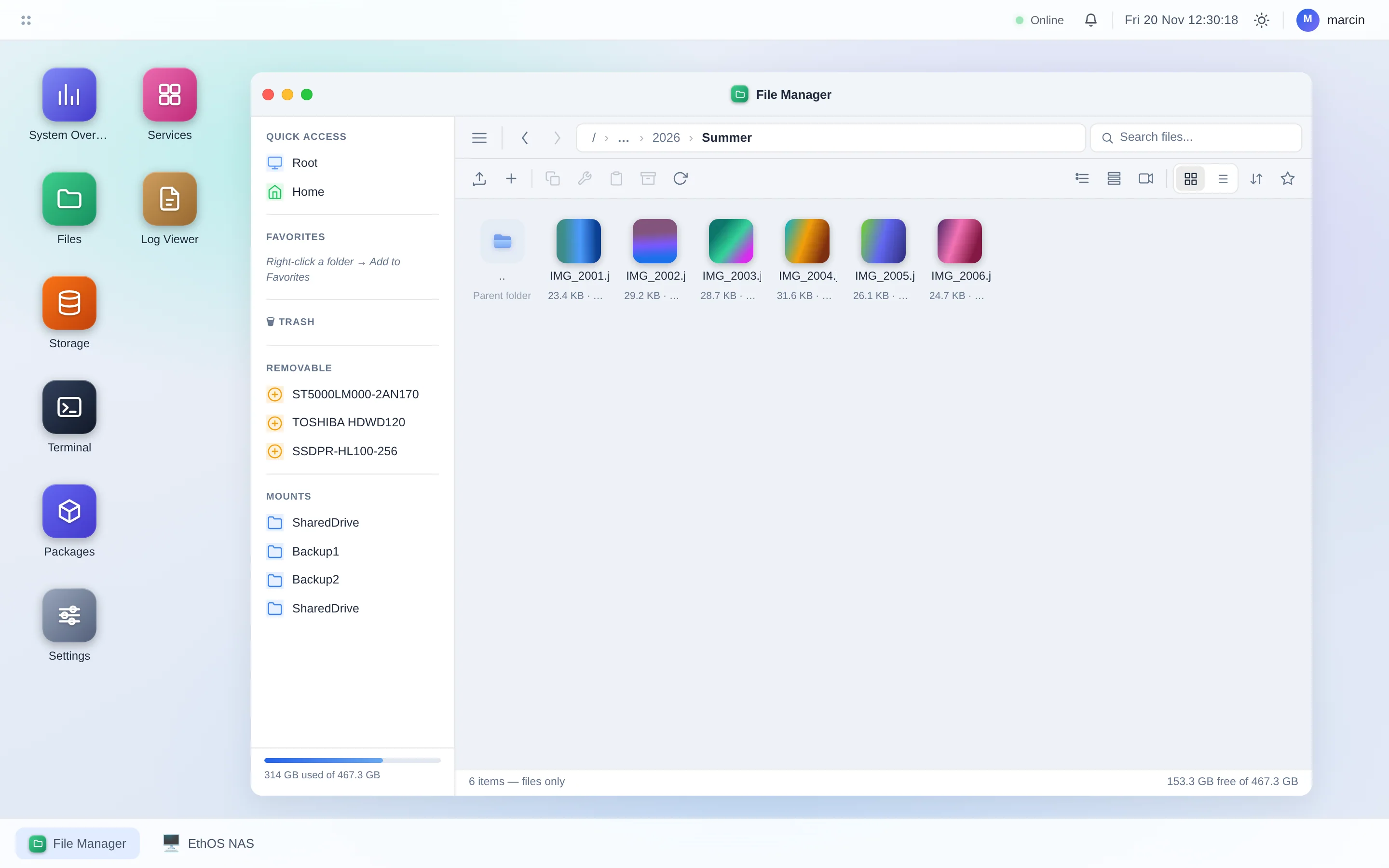
Chunked uploads, drag-and-drop, ZIP create and extract (including 7z/rar), trash with a per-user badge, and share links that expire.
Self-hosted · MIT · Ubuntu & Raspberry Pi
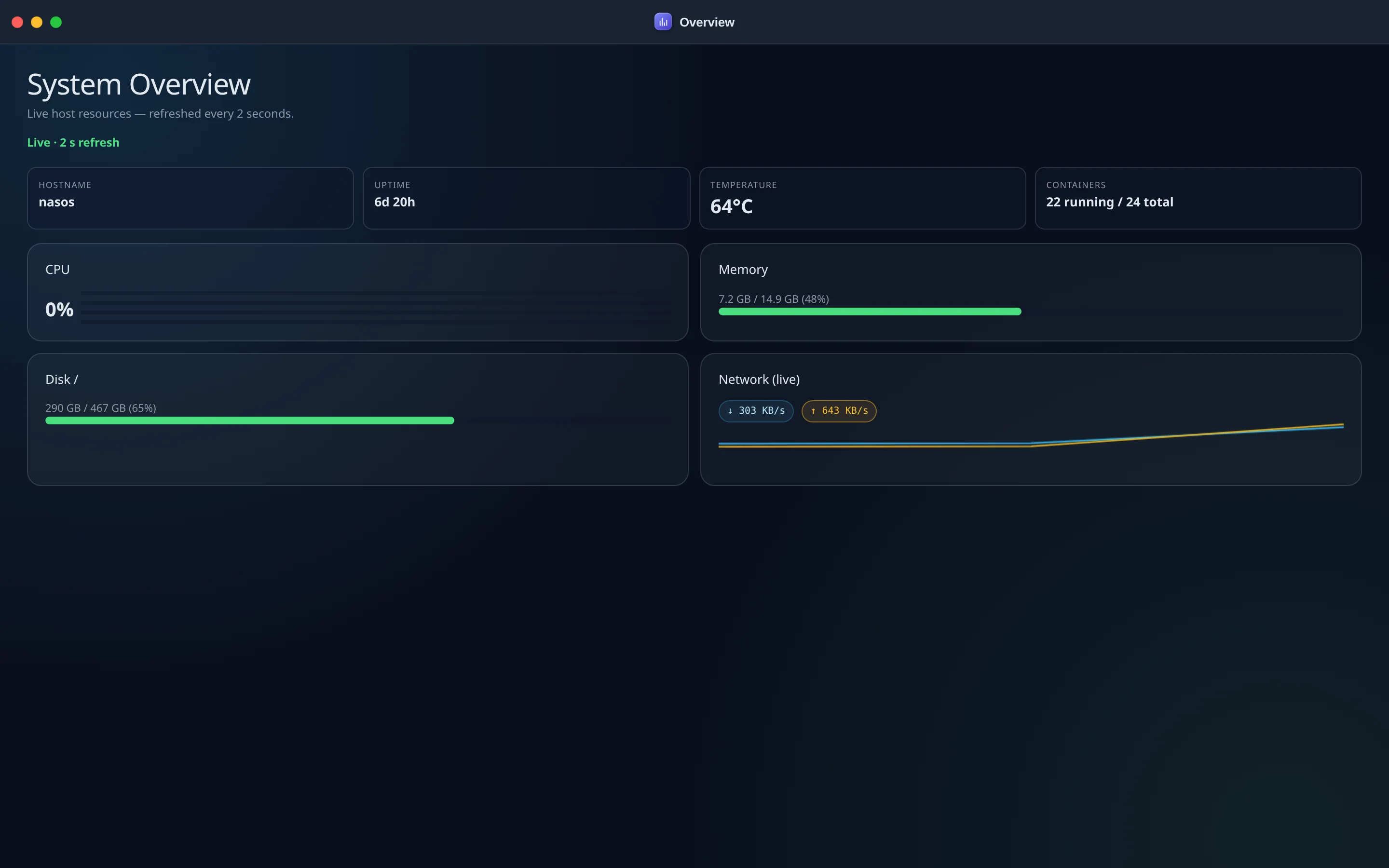
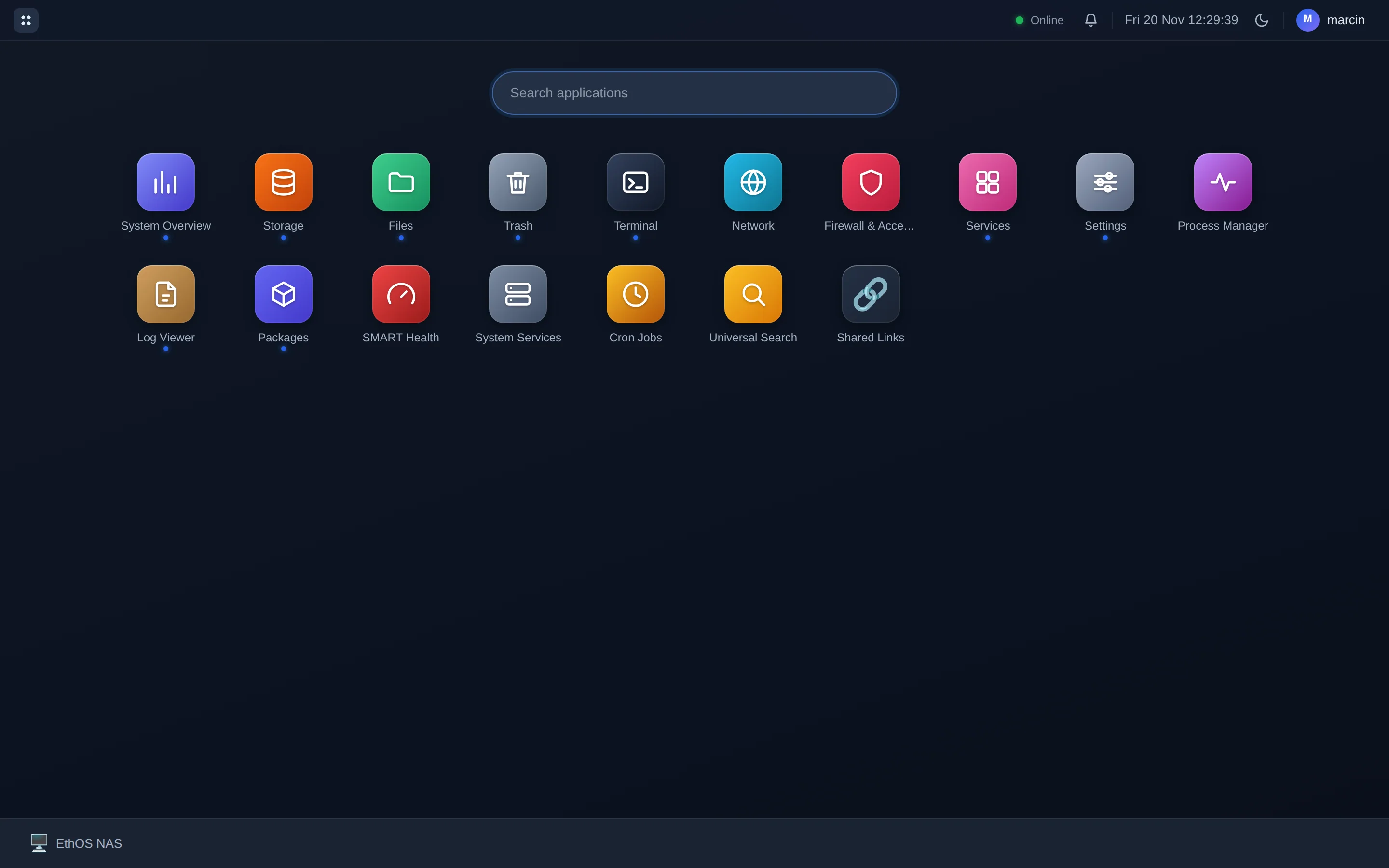
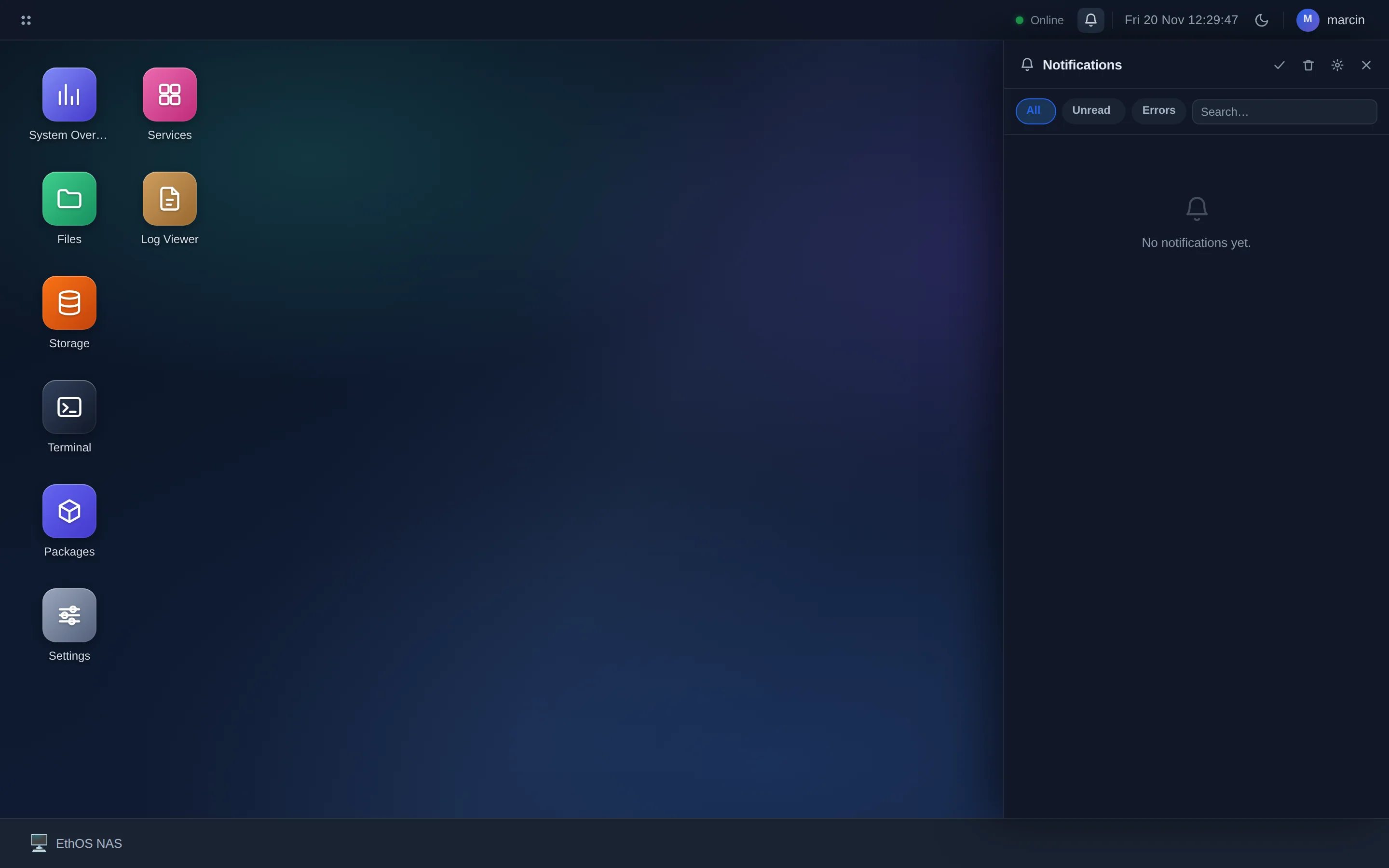
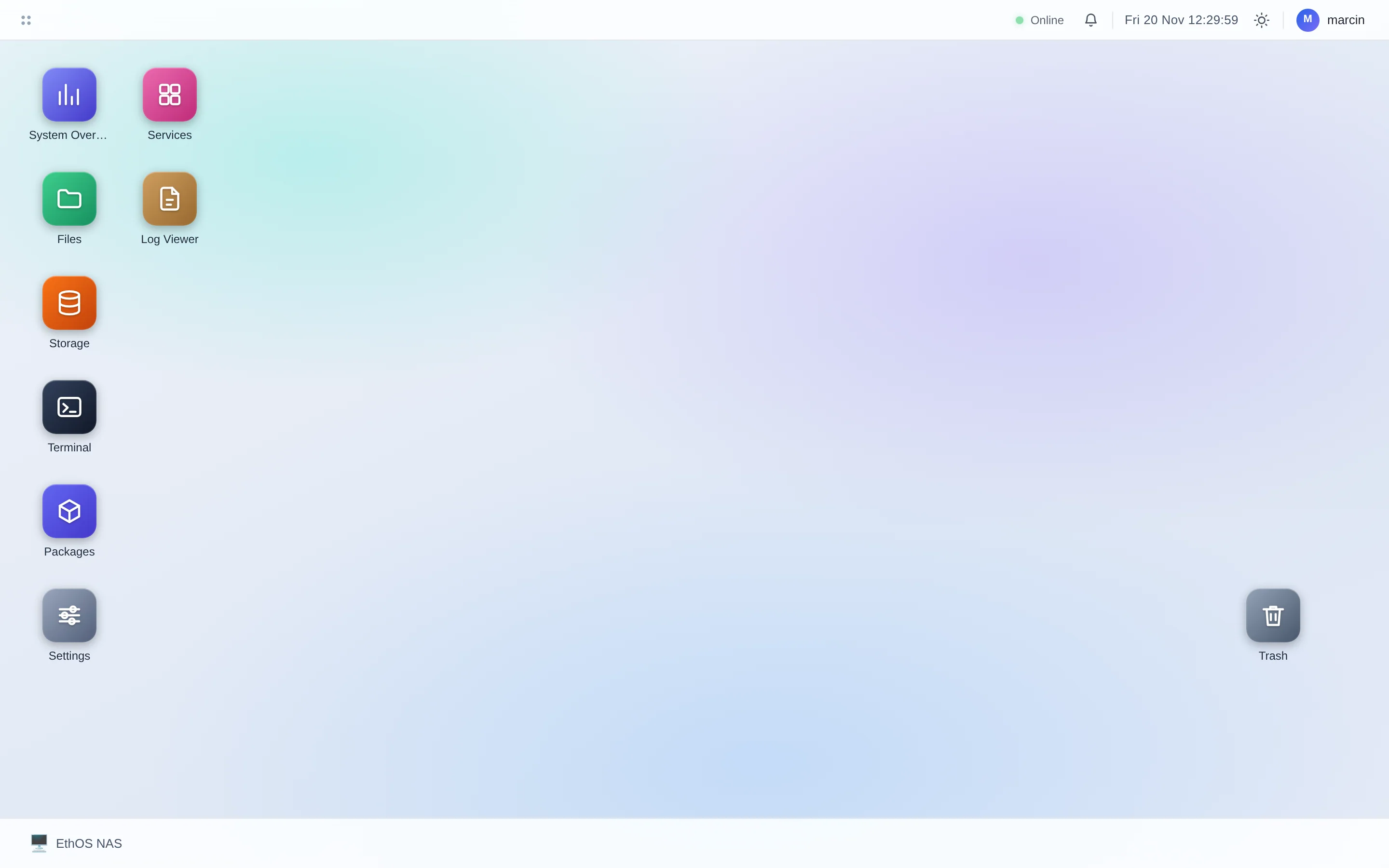
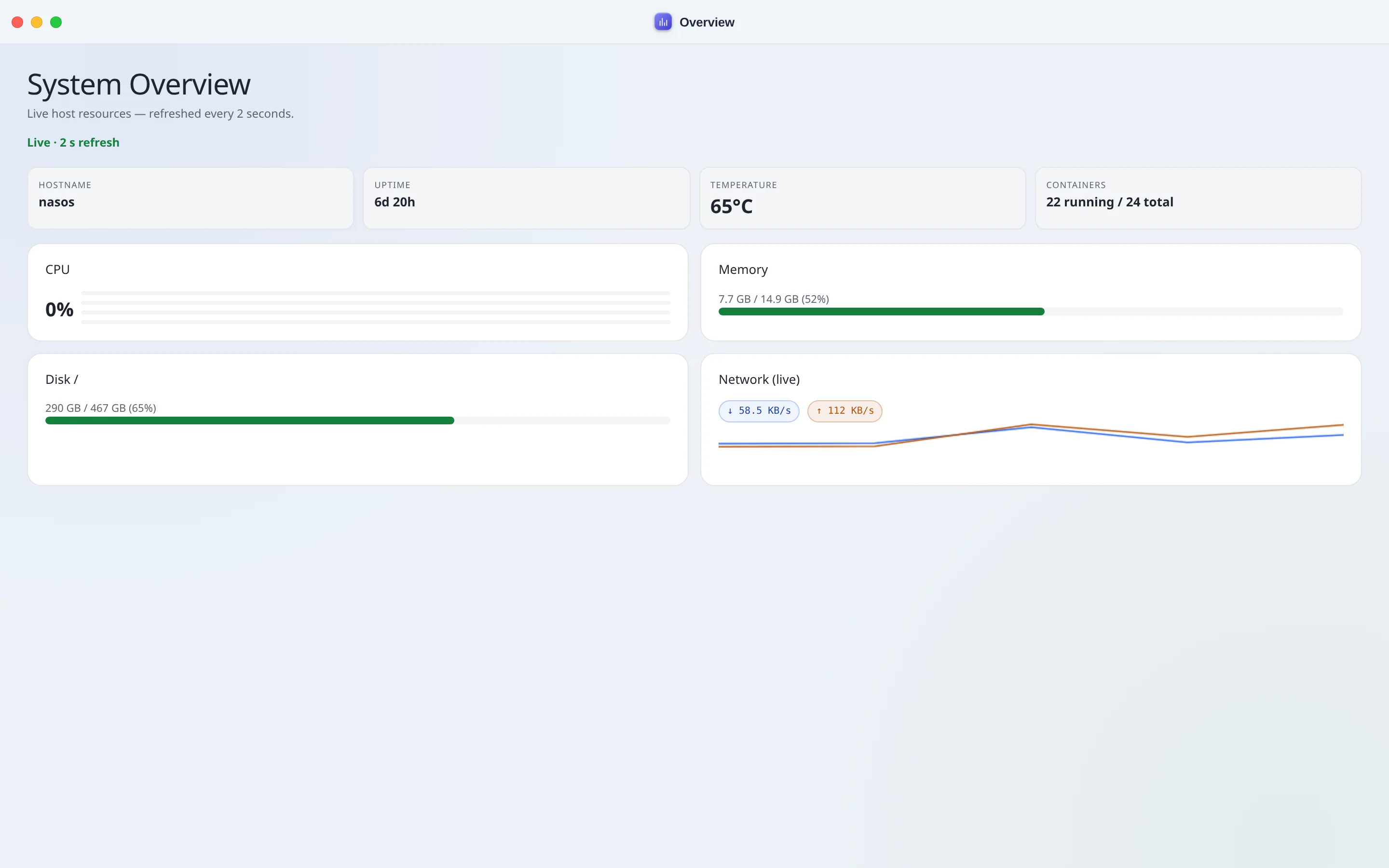
Windows, docks, notifications and a taskbar — but every app is real: your files, your containers, your backups.
EthOS NAS is a self-hosted NAS management UI and API. One service serves the SPA, the REST API and WebSockets; there is no frontend build step, no cloud account and no vendor between you and your disks.
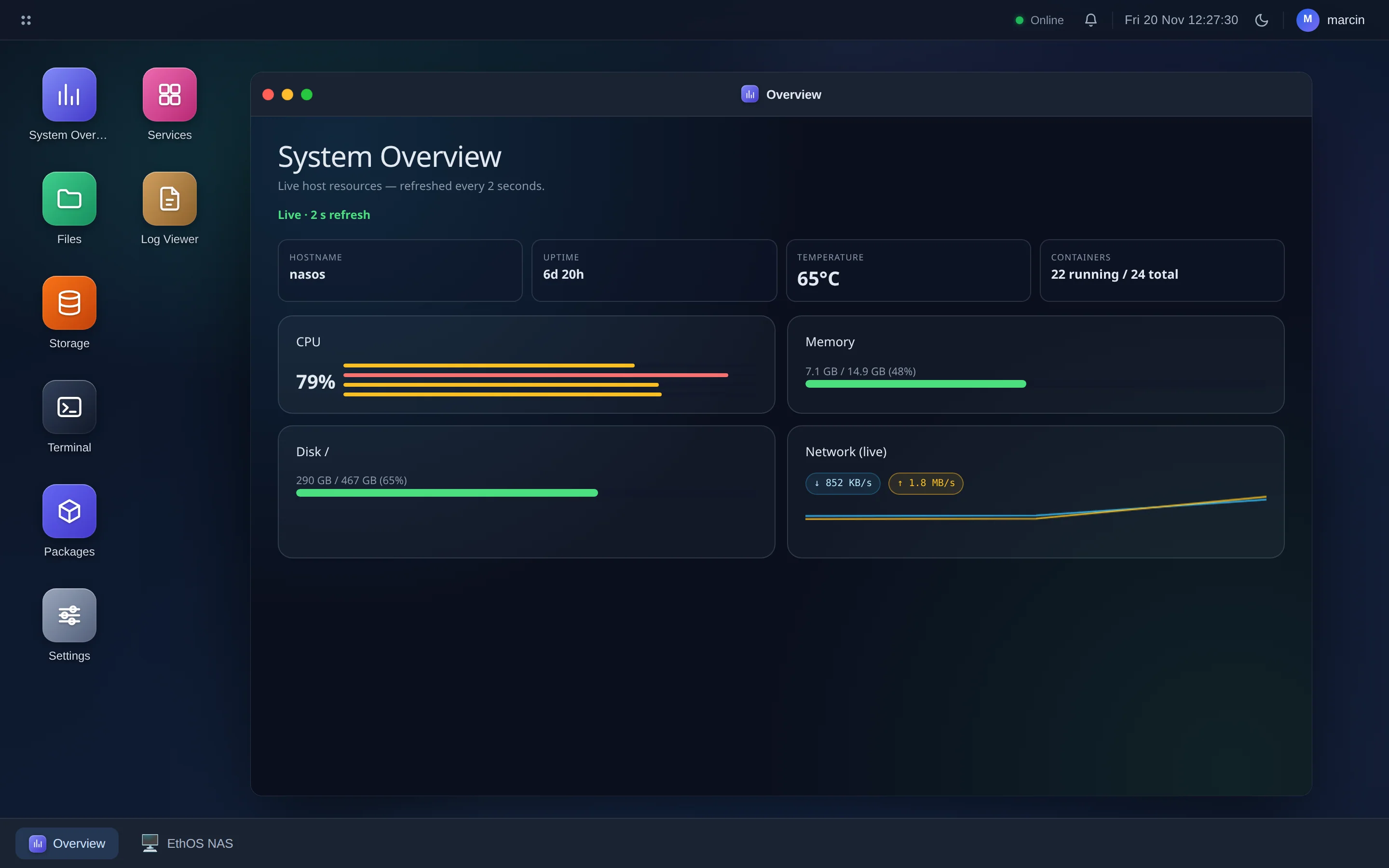
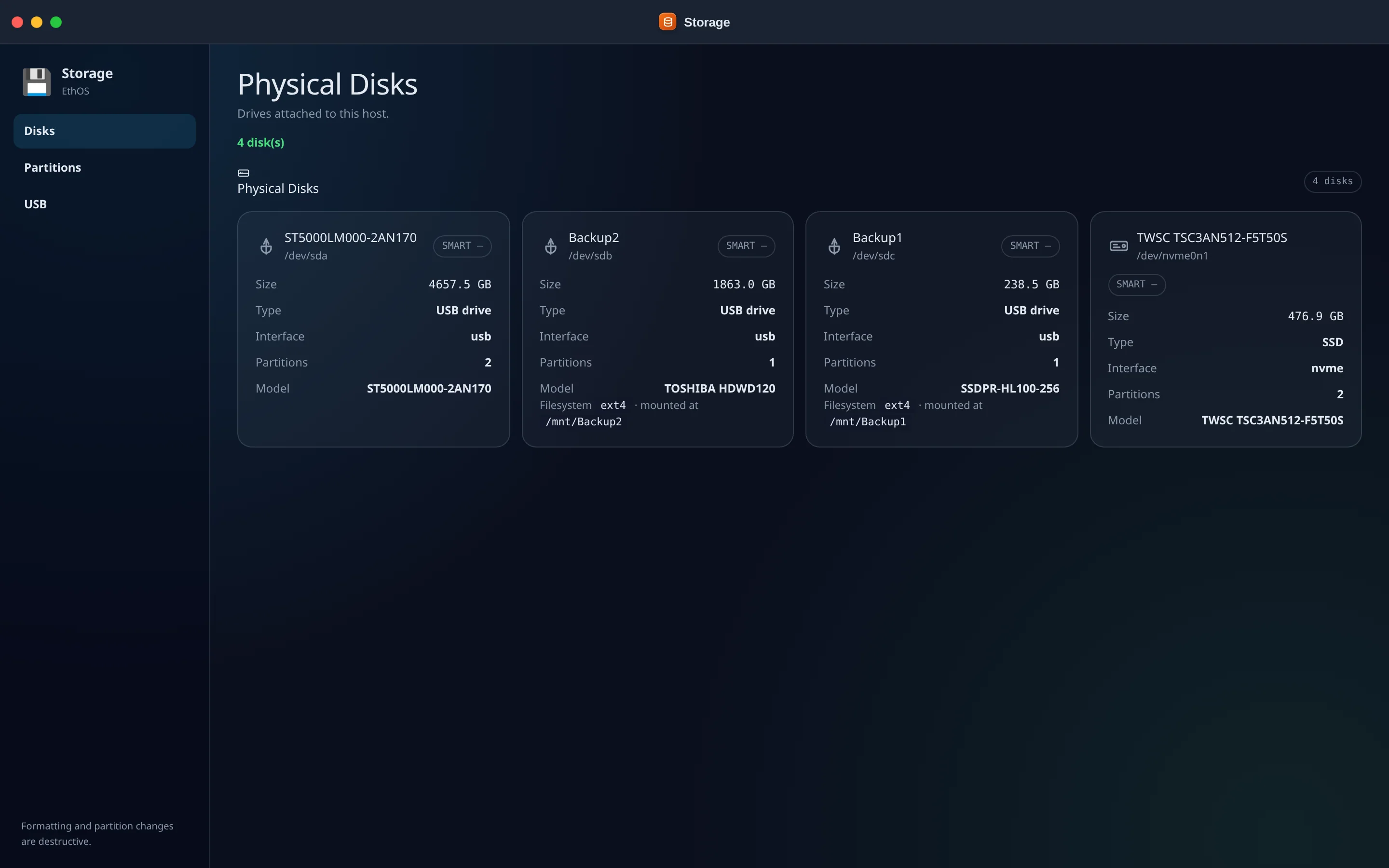
Seventeen built-in apps plus a signed package store. Install what you need and keep the rest off the disk.
Chunked uploads, drag-and-drop, ZIP create and extract (including 7z/rar), trash with a per-user badge, and share links that expire.
Timeline, calendar and Moments views, albums, favourites and a PIN-protected private section — plus the Android app.
Spotify-style player with playlists and likes, 150 radio stations, podcasts and a shared library with the Android app.
Jellyfin-style library with Continue Watching, subtitles, resume and HTTP Range streaming with hardware transcoding.
EPUB and PDF reader plus an audiobook player that remembers your position on every device.
HTTP, magnet and debrid queue with categories, RSS rules and a qBittorrent-compatible API that Sonarr and Radarr already speak.
Containers, images and compose projects from the browser — and the engine itself installed through a root-owned helper.
rsync hardlink snapshots with GFS retention, verify and restore, Docker volume backups and rclone offsite copies.
RTSP and MJPEG cameras in a live grid, motion detection that pushes notifications, and MP4 clips on your own disks.
SMB shares with per-user and per-group ACLs, plus public links with an expiry date and a download cap.
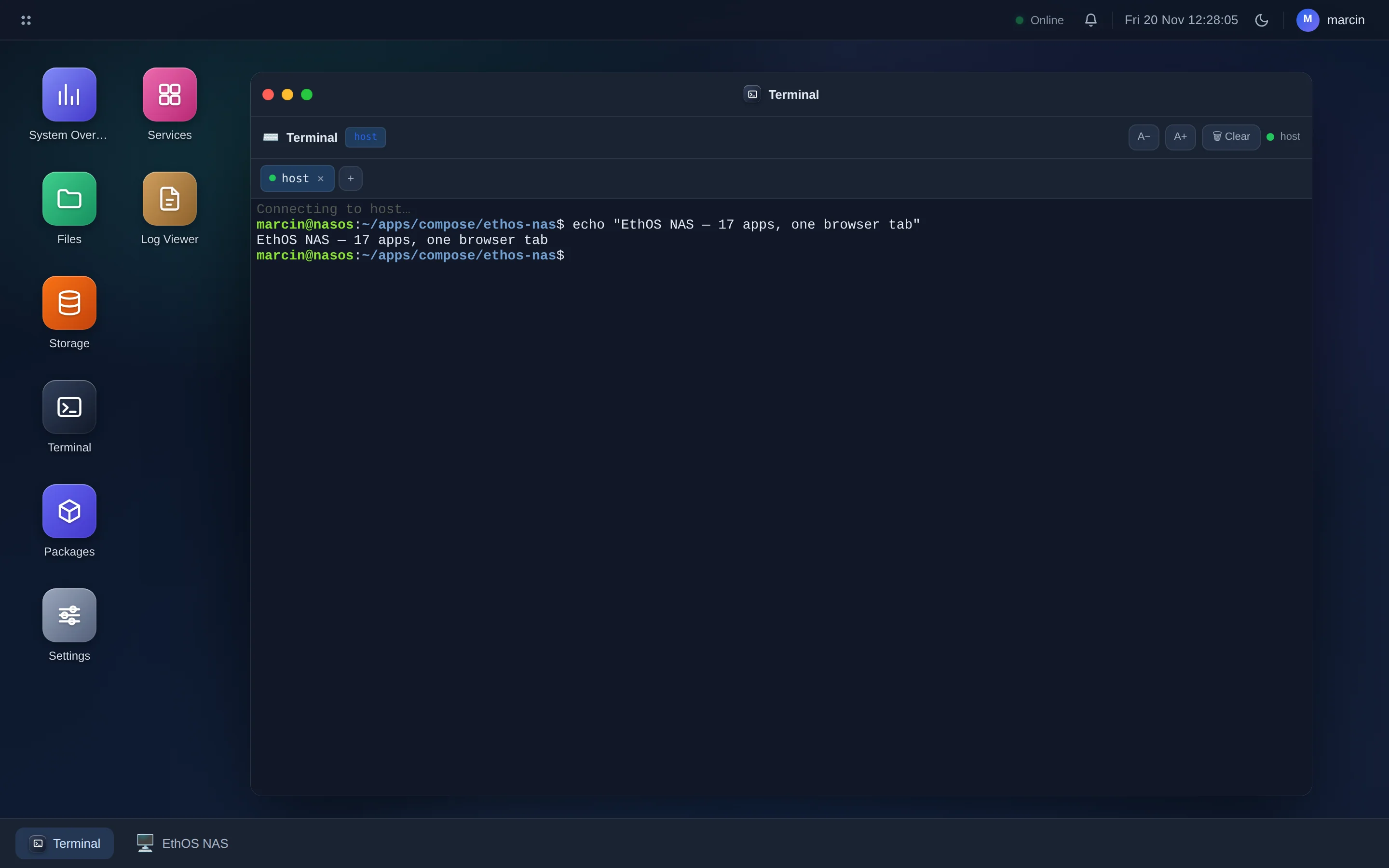
A real PTY terminal in the browser and a VS Code-style editor with git, split terminals and an AI agent chat tab.
A signed app store: install, update and roll back each package without touching the core.
Windows you can drag, snap and minimise. Dark and light themes, five wallpapers, and the same layout on a phone.
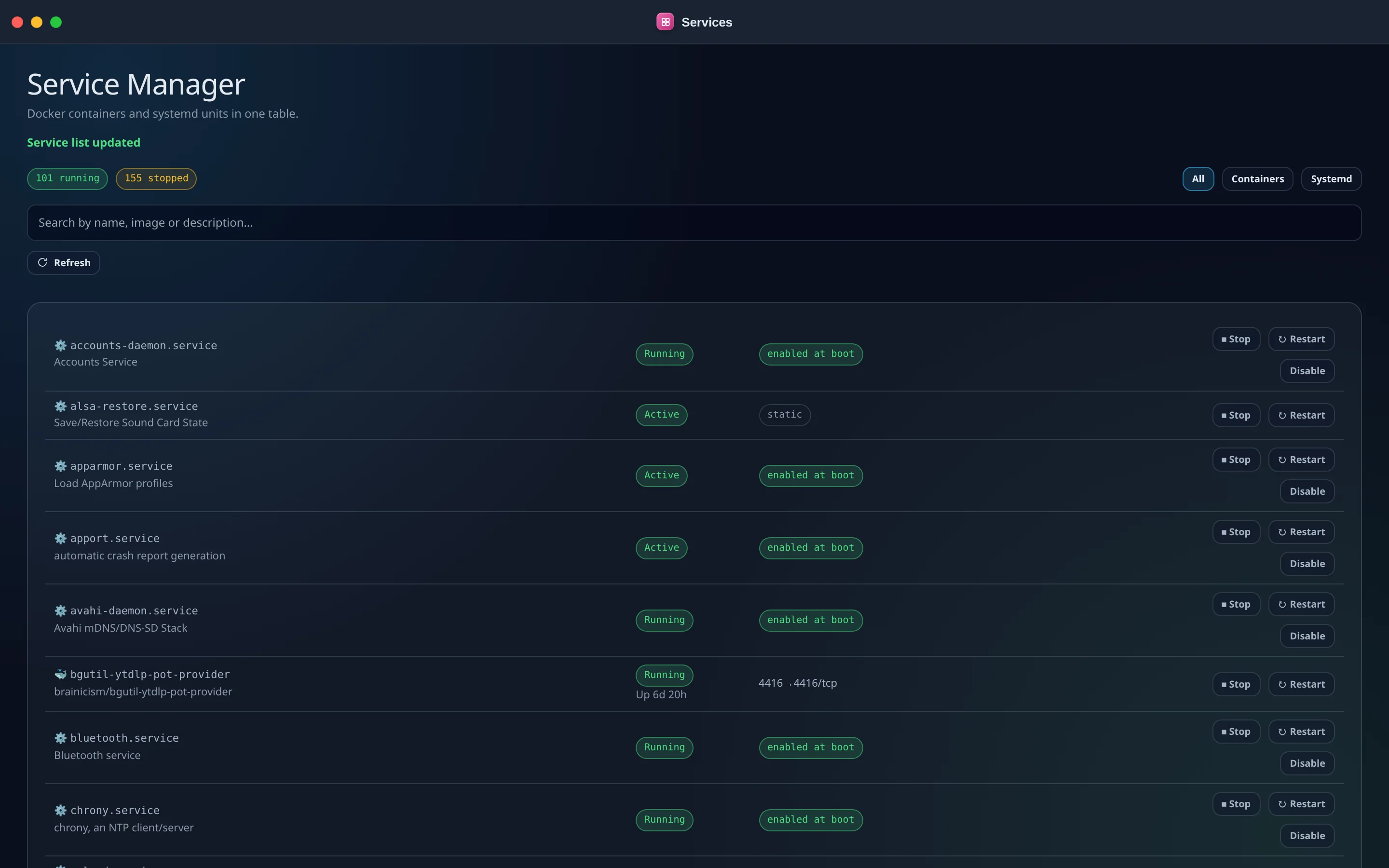
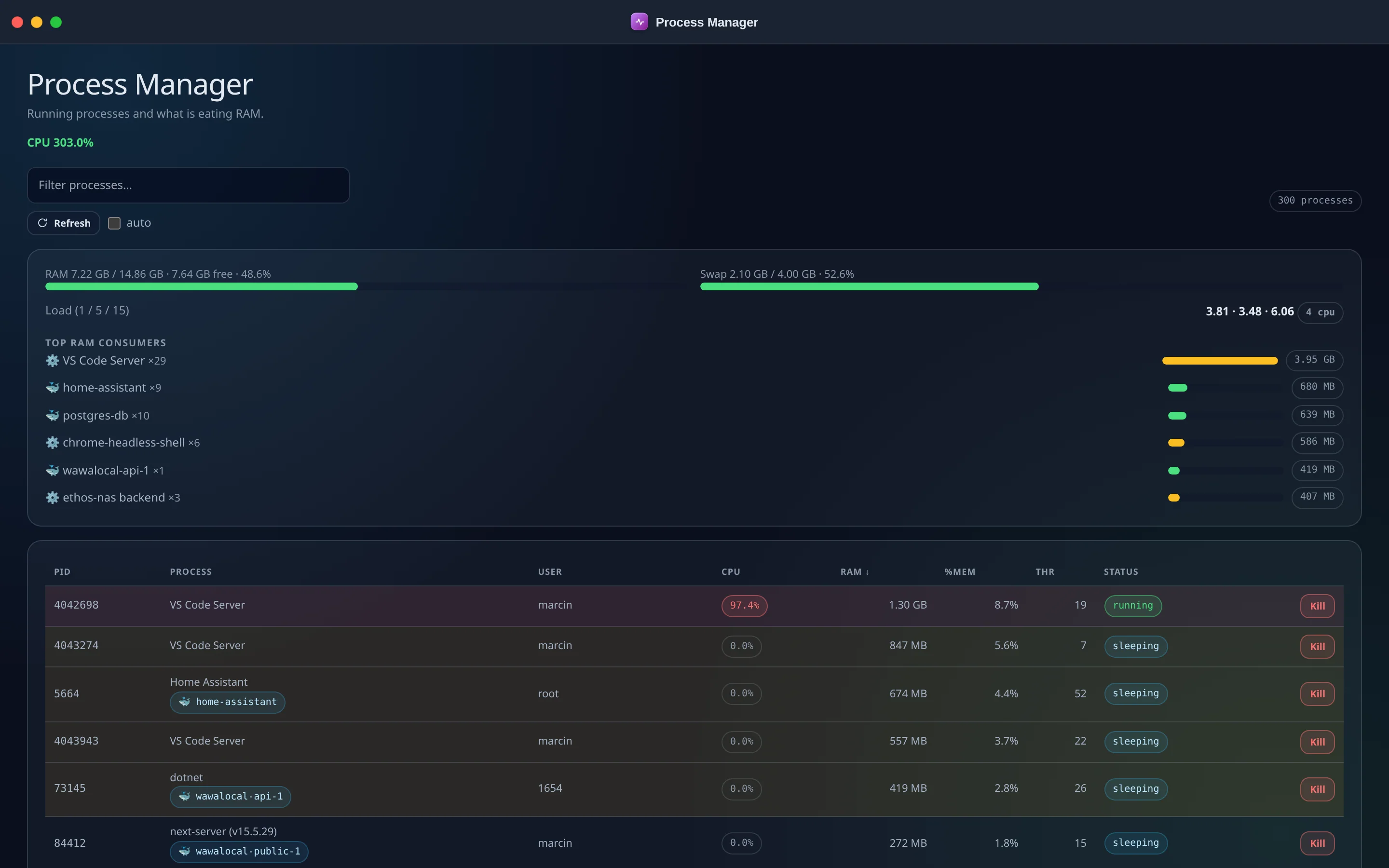
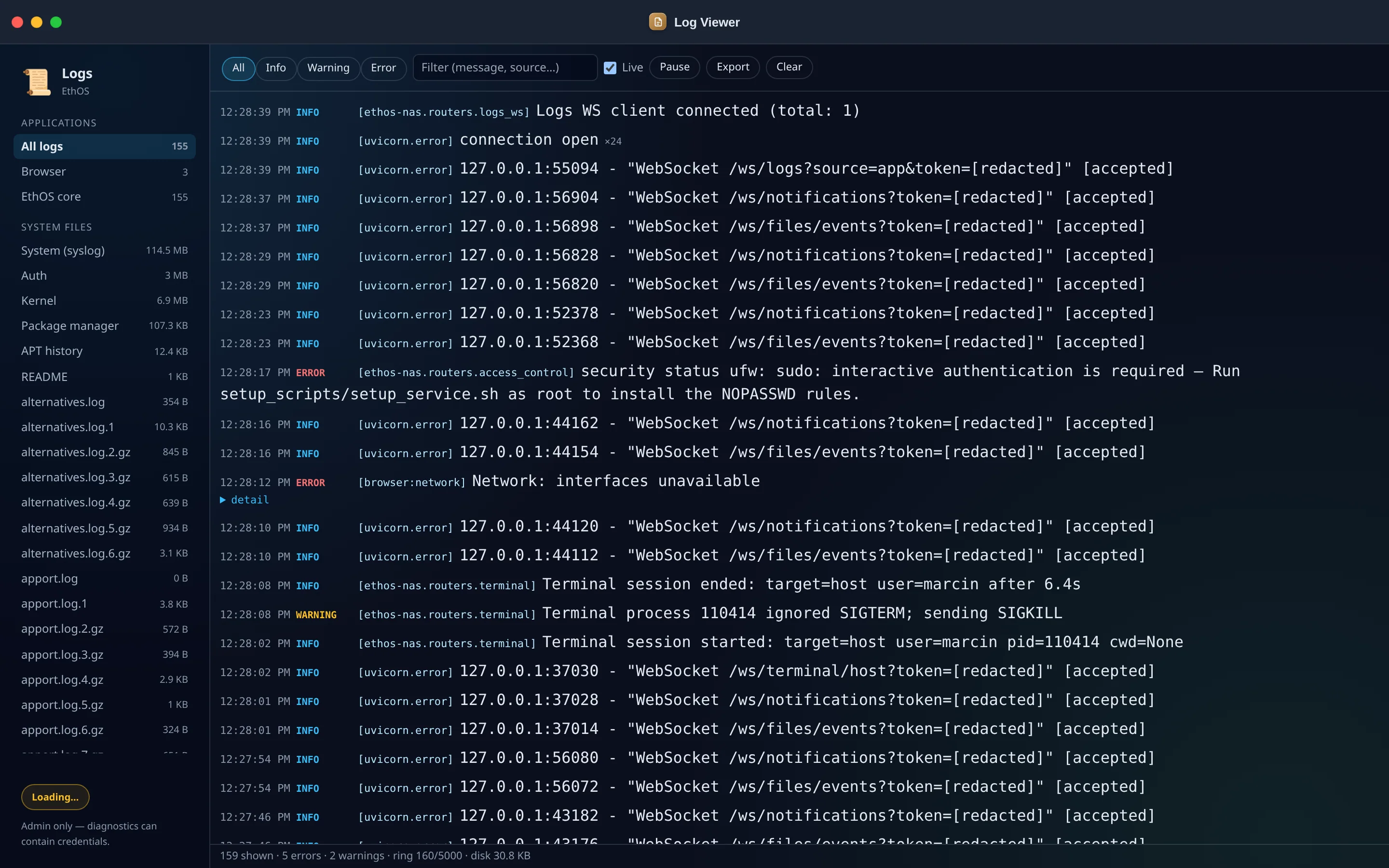
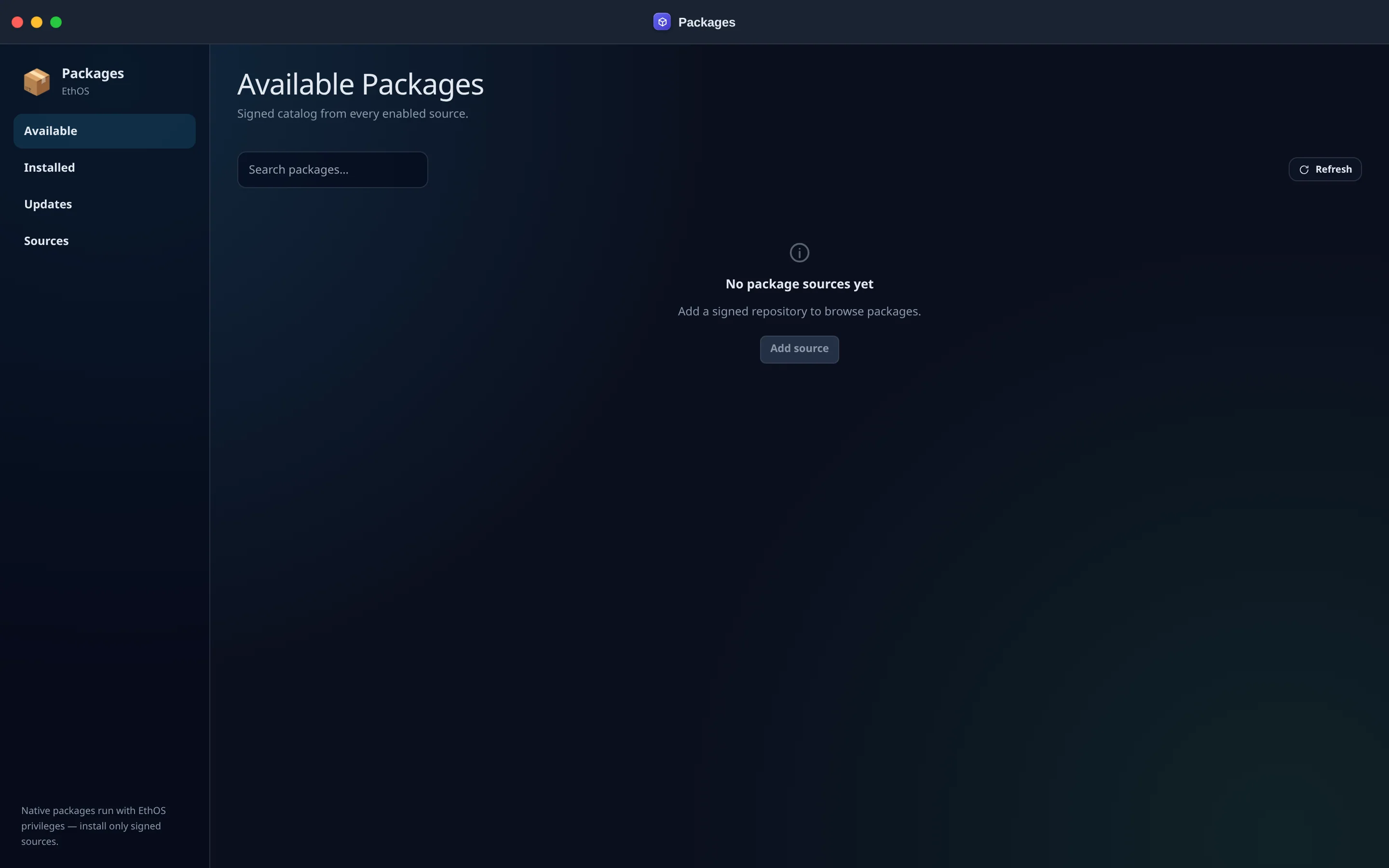
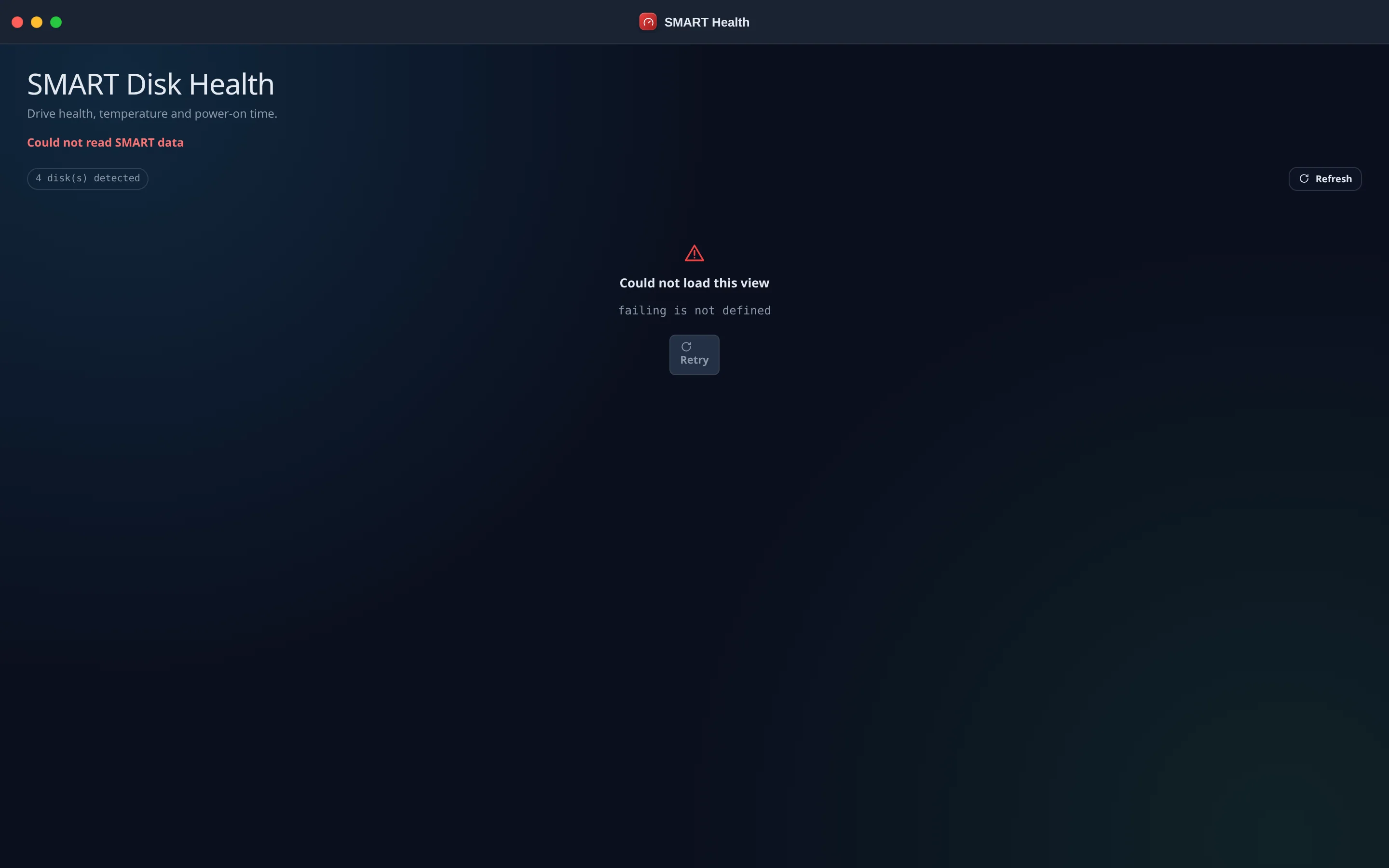
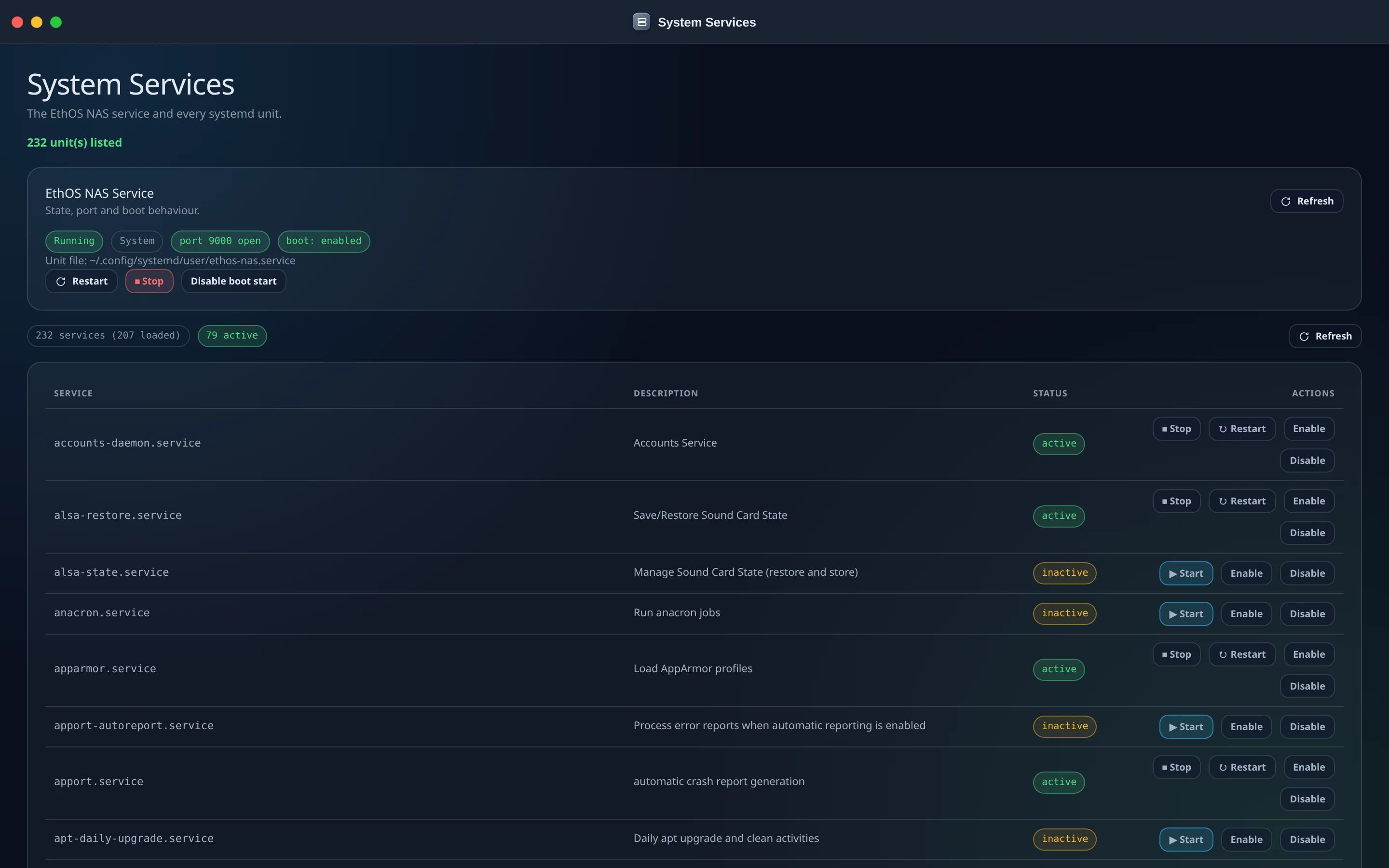
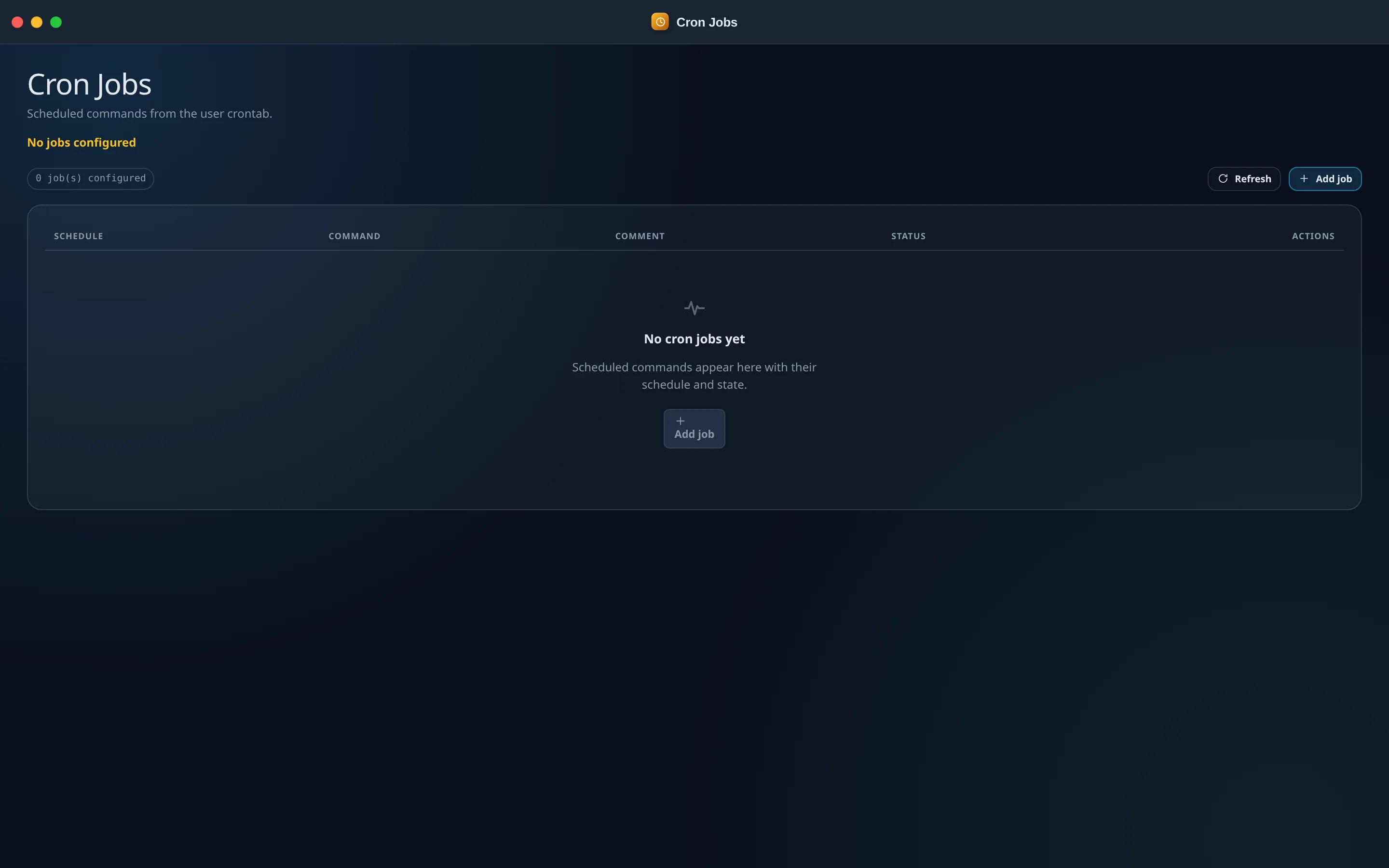
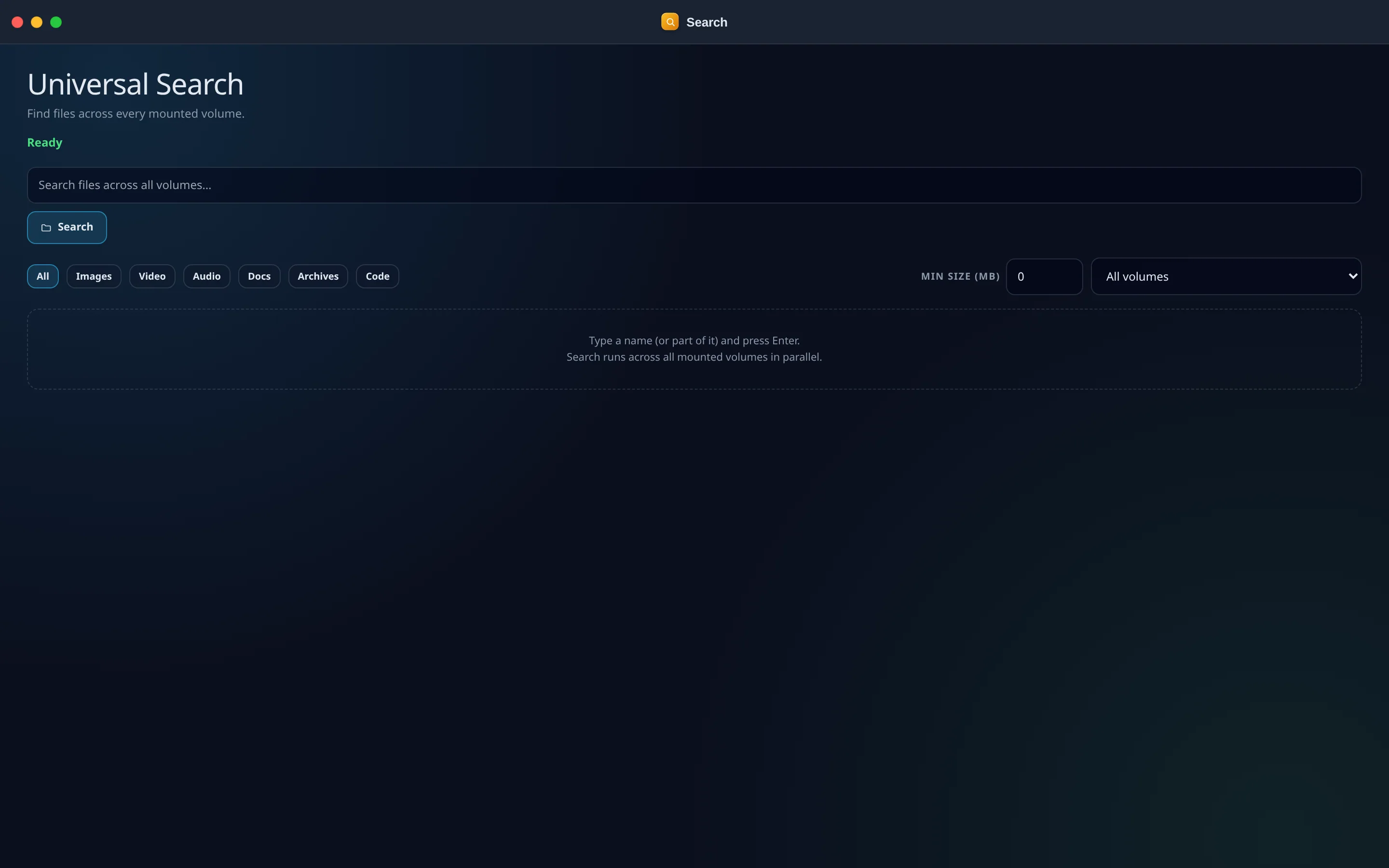
No screenshots for this app yet.
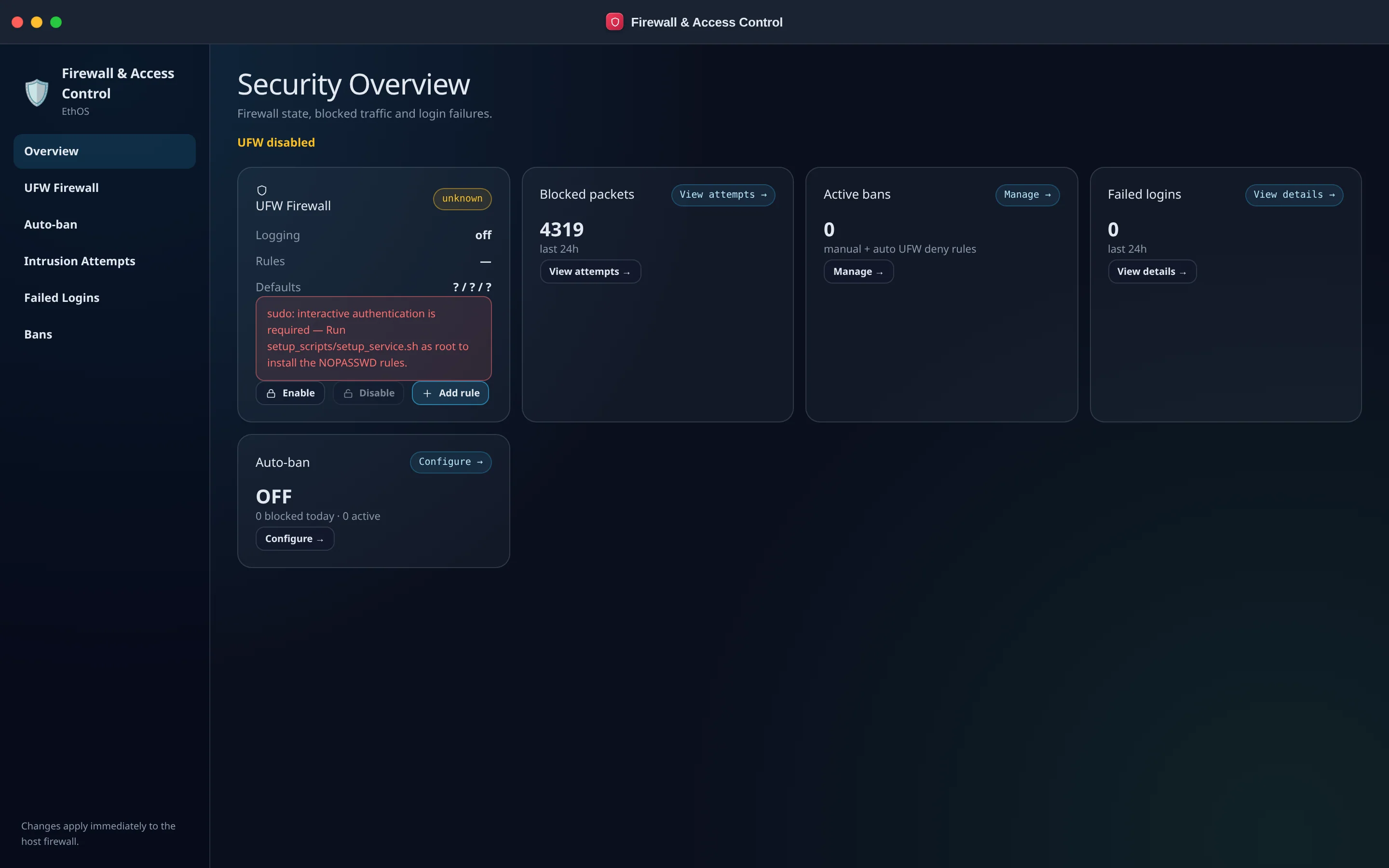
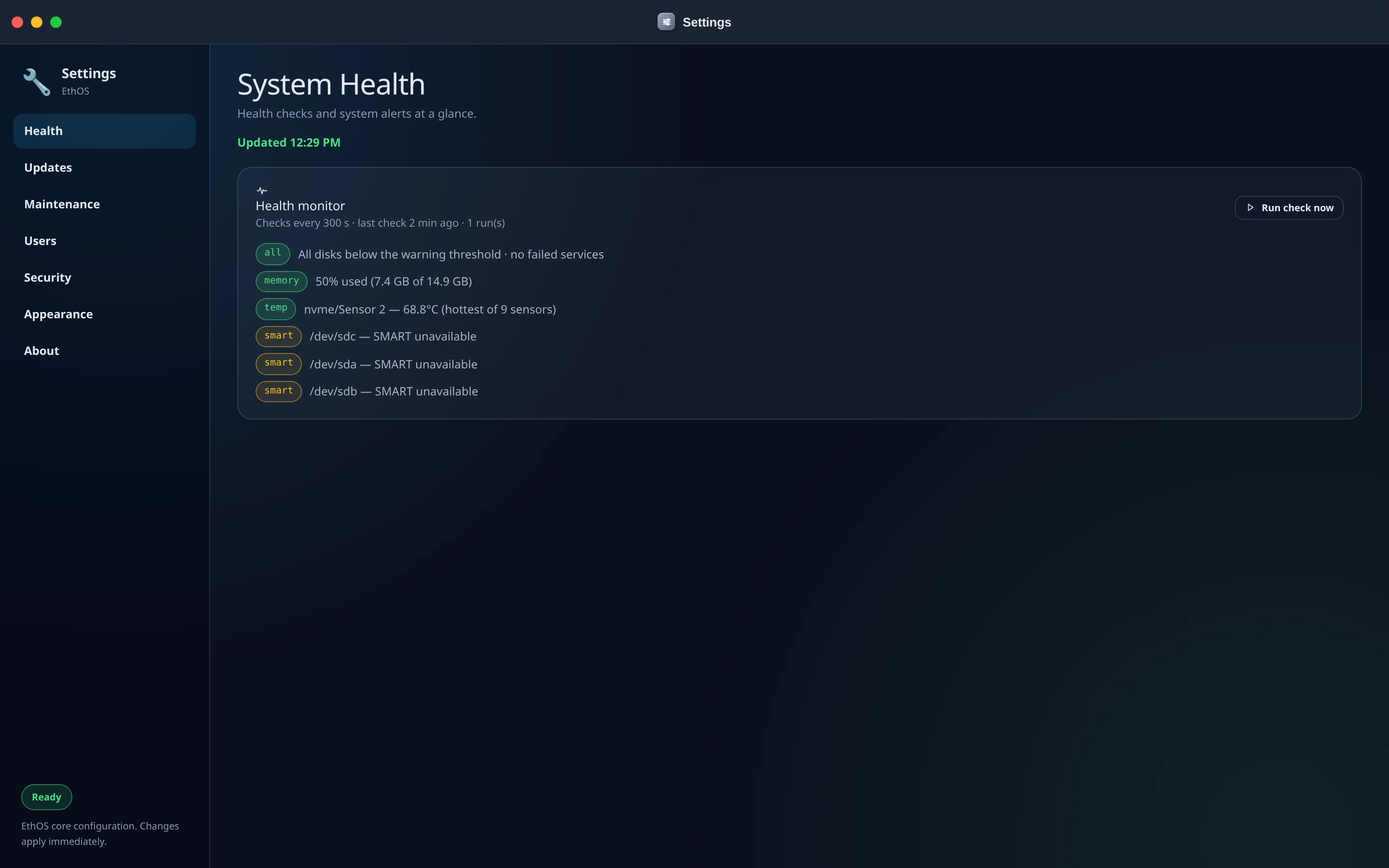
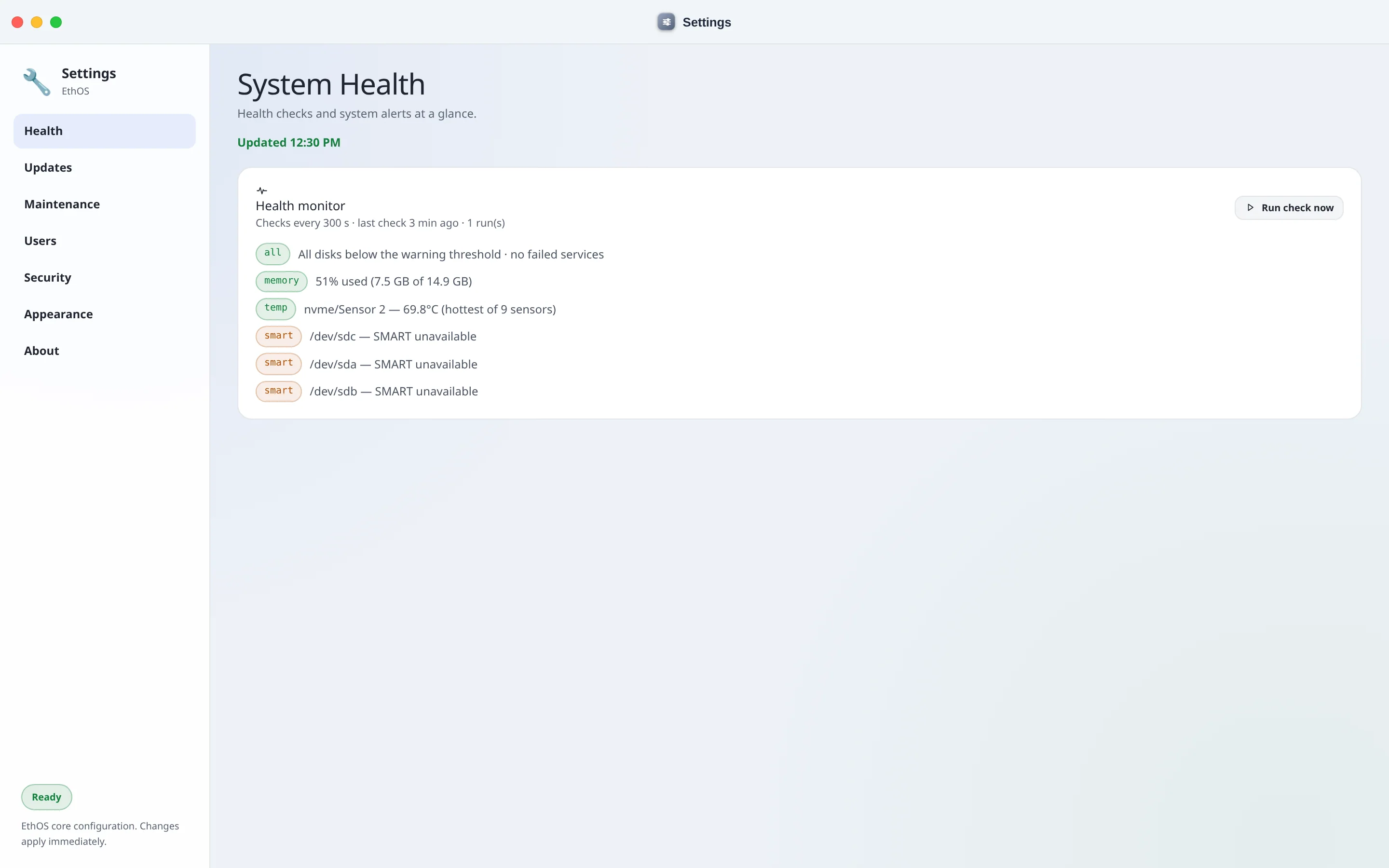
Real Linux accounts, an admin/user split, UFW and auto-ban, and updates that verify a signature before they touch a single file.
EthOS OS is a minimal Ubuntu LTS image with EthOS NAS preinstalled, Docker enabled and a first-boot wizard for the admin account.
Native Android companions for Moments, Music and Video talk to the same API as the web UI.
The installer is a shell script you can read first — it sets up the service, the signed update channel and the firewall baseline.
curl -fsSL https://raw.githubusercontent.com/SyncHot/ethos-nas/master/setup_scripts/install.sh -o /tmp/ethos-install.sh
less /tmp/ethos-install.sh && sudo bash /tmp/ethos-install.shEvery release is tagged, signed and published through the same index the updater trusts.
Ubuntu 24.04 or 26.04 (x86_64 or arm64) with Python 3.14, about 2 GB of RAM and whatever disks you want to share. A Raspberry Pi 4/5 with 4 GB works.
Yes — MIT licensed, no account, no telemetry. The source is on GitHub and the release index is signed with an offline key.
EthOS NAS authenticates against Linux PAM, so accounts are your real system users. The first eligible account becomes the admin; everyone else is a normal user with a restricted path scope.
Only if you publish it. The API is meant for the LAN, filesystem endpoints are limited to configured paths, and the optional Domains package adds a Caddy route with an automatic Let's Encrypt certificate only for the hostnames you choose.
The updater downloads a signed releases/index.json, verifies the signature and the artifact hash, installs, restarts and probes the health endpoint for 90 seconds — rolling back automatically if the probe fails.
No. EthOS NAS is an independent project that borrows the desktop metaphor, not the code or the trademarks.